Behind every donation and every comfort pack, there are children. Real children with names and favourite colours and opinions about which biscuits are best.
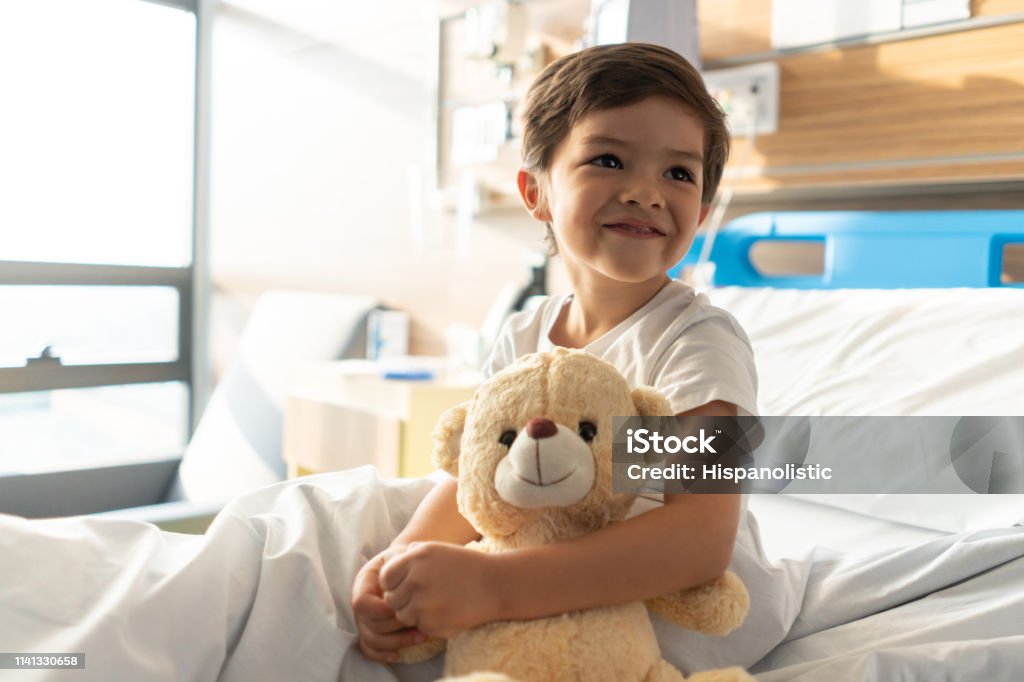
There is a boy we will call Tommy. He was seven years old when he was diagnosed with a condition that would keep him in hospital for the better part of six months, football-obsessed, deeply suspicious of vegetables, and suddenly very quiet. His mother told us that what worried her most in the first weeks was watching the light go out in him.
Little Angels reached Tommy through a partner hospital, delivering a comfort pack with items connected to his favourite football club, craft materials, and a soft toy chosen for his age and interests. His mother says the transformation was not instant, but it was real. He started engaging with the nurses. He had something to talk about. By the time he went home, the light had come back.
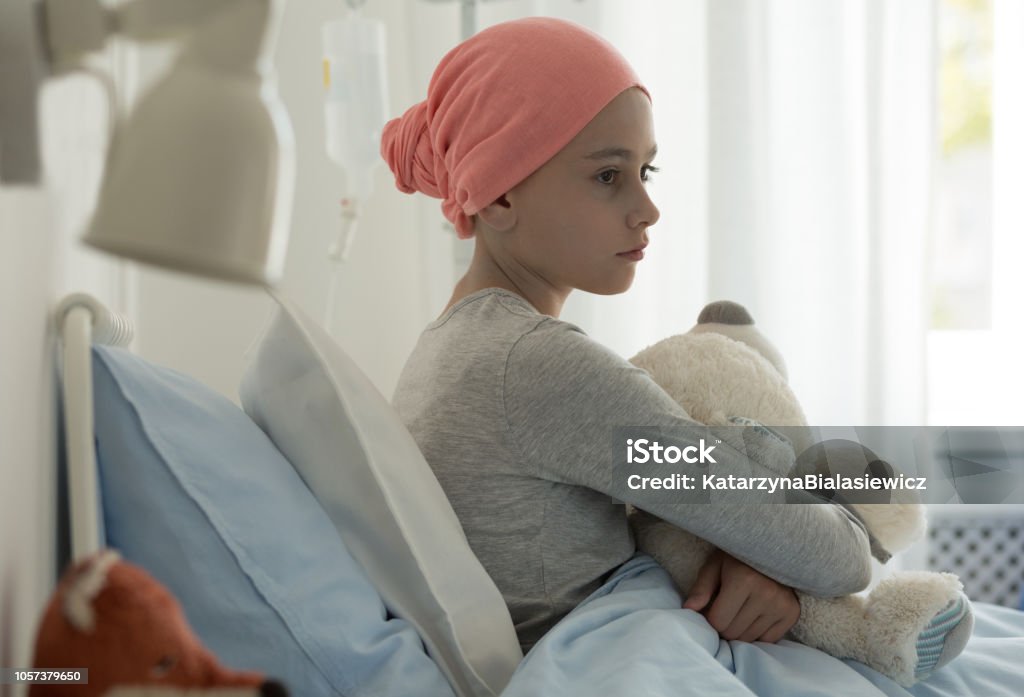
Then there is a girl we will call Asha. She was twelve, and had been in and out of hospital for most of her life with a complex chronic condition. The hardest thing, for Asha, was the particular loneliness of being the only child on the ward her age.
Through our partnership with the hospital, we provided art materials, books pitched exactly at her reading level, and access to a pen pal scheme we run with local schools. Within weeks, Asha was corresponding with three children two towns away, and told ward staff that getting letters was the best part of her week.
"Behind every donation there are children like Tommy and Asha. Every time you support Little Angels, you are choosing them."
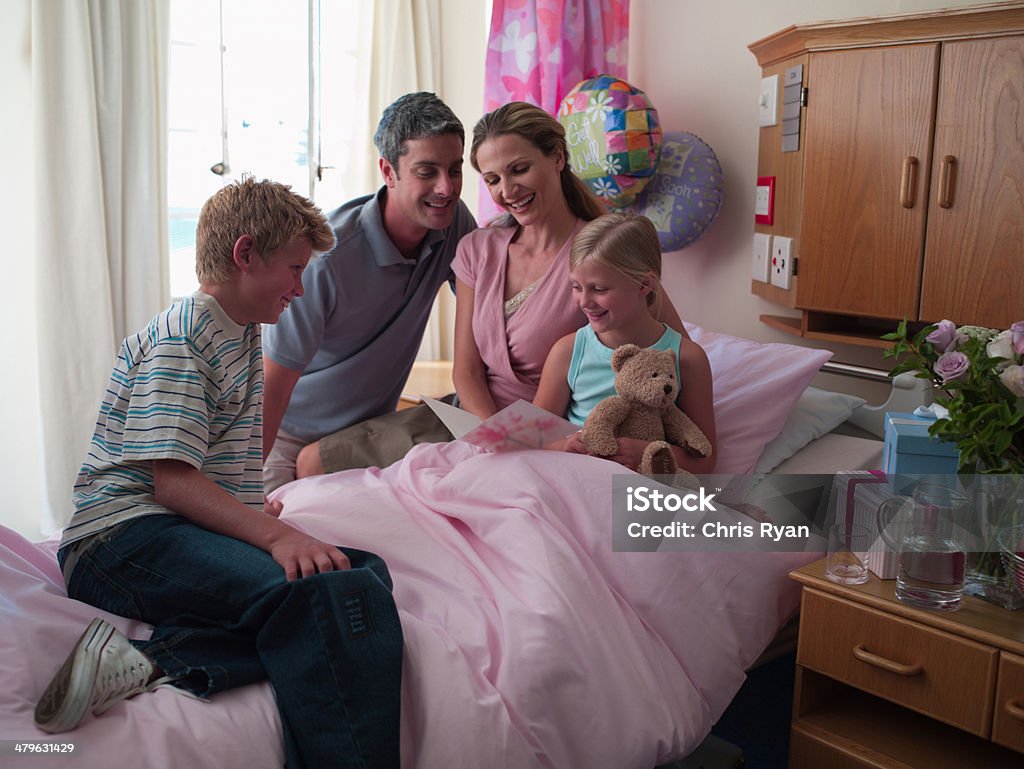
Maya was nine years old when her mother first noticed something was wrong. A tiredness that would not lift with sleep. A pallor that settled in her cheeks. Blood tests were ordered, and on an ordinary Tuesday in February, the family was called back in and the world changed. The diagnosis was serious, treatable, and would require a hospital stay of between two and four months. Maya absorbed this with a directness that surprised everyone, asking practical questions. Would she miss the school trip? Could her cat come? She was told, gently, that the cat could not come.
Little Angels reached Maya in her fourth week through a comfort delivery. She received a pack including art materials, a book in a series she had not yet read, and items clearly chosen with her age and interests in mind. Her mother watched Maya's face as she opened it and saw something she had not seen in weeks: genuine, uncomplicated pleasure. Over the following weeks, Maya used the art materials to cover the wall beside her bed with pictures of home, her cat, and imaginary places she planned to visit once well. The nurses loved it. Other children asked to be included in her drawings.
Maya came home in late spring. She is, at the time of writing, three years post-treatment and thriving, and has been back to visit the ward twice with a bag of things for the children she met there. She asked us to include one thing in this article. She wanted us to say thank you. So we are saying it for her, to everyone who has ever supported Little Angels.
"Thank you, from Maya and her family, to everyone who has ever supported Little Angels."
There are people in the background of every child's hospitalisation who are rarely talked about. The parent who does not go home. Who folds themselves into a hospital chair night after night because leaving is simply not something they can do. The physical toll is substantial. Sleeping in chairs is not restorative sleep, and parents at the bedside for weeks are often functioning on a level of fatigue that, in any other context, would be considered unsafe. The emotional toll is harder to quantify but no less real.
Little Angels thinks about these parents as an integral part of good support. A child whose parents are completely depleted does not have the stable presence beside them that is so important to recovery. Supporting parents is supporting the child. Our comfort deliveries include items for adults as well as children: good toiletries, a comfortable neck pillow, a proper book, a warm pair of socks. These things sound small. They are received, repeatedly, as if they are enormous.
"If you are a parent reading this from a hospital chair: you are doing something remarkable. Your needs matter. You are seen. Little Angels is here for you too."
We receive letters. Families who have been touched by our support take the time to write and tell us what that support meant. They do not write because they are asked to. They write because they need to say it.
"My daughter was three and asking for her bunny, which was at home. When the nurse came in with a comfort pack and my daughter found the little soft dog inside it, I burst into tears. In the worst moment of my life, that small thing was enormous."
"My son is not someone who finds it easy to talk about feelings, but he used the journal from your delivery every single day. He filled it in ways I was not allowed to read, and I respected that. He came home and is doing well. He still has the journal."
"My granddaughter calls it her magic blanket. She is seven now and fully recovered and still sleeps with it every night. She would like to give all of you a cuddle, so here is the cuddle, with her permission and mine."
"The work you are doing is real and it reaches children who need it. I have started to think more about where our supplies come from, and I want you to know the difference it makes. Thank you from all of us."